In order to help everyone better understand the feasibility and effectiveness of microwave sterilization of packaged food, we will now analyze packaging material selection, exhaust treatment, parameter control, and other aspects.
Firstly, we need to understand that microwave sterilization has strict requirements for packaging, food condition, and operating procedures. Improper operation not only affects the sterilization effect, but may also cause packaging rupture, equipment damage, and even safety accidents.
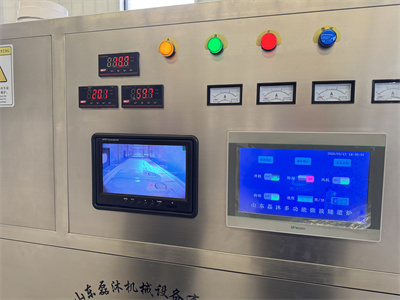
The packaging material directly determines the microwave penetration effect and operational safety. It is strictly prohibited to use metal and packaging containing metal components, including aluminum foil bags, packaging with metal printing, and packaging with metal trim. These materials will reflect microwaves, generate electric sparks, which can damage equipment at a mild level and cause fires at a severe level. Priority should be given to packaging with good microwave penetration, high temperature resistance, and non-toxic properties, such as food grade PP5 plastic, glass, ceramics, specialized paper packaging, etc. These materials will not release harmful substances due to heating and can ensure smooth microwave penetration through the packaging, achieving uniform sterilization inside and outside the food. Avoid using ordinary plastic or PVC materials for packaging, as these materials are prone to deformation and release toxic substances at high temperatures, which can contaminate food.
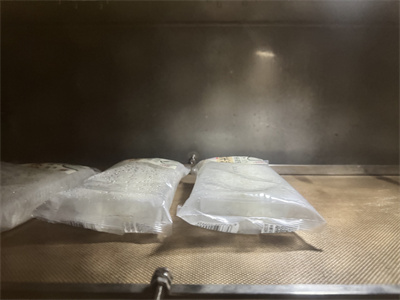
It should be noted that fully sealed packaged food may cause moisture inside the food to vaporize due to heat during sterilization, leading to a sharp increase in air pressure inside the bag. The lack of exhaust channels may cause the packaging to swell, explode, and result in food leakage and safety hazards. For vacuum packaged and fully sealed bagged food, small ventilation holes should be punched on the packaging before sterilization, or incomplete sealed packaging should reserve steam release channels; When industrial batch sterilization is carried out, the process of microwave sterilization first and then rapid sealing can also be used to avoid excessive pressure inside the bag.
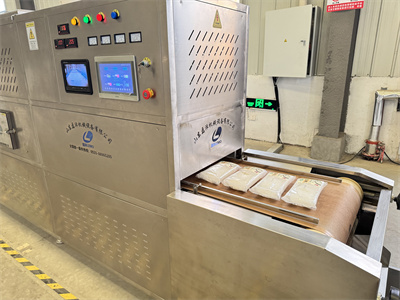
The microwave power and sterilization time should be flexibly adjusted according to the type of food, moisture content, and packaging specifications, and should not be set blindly. Attention should be paid to controlling the loading capacity of food, avoiding stacking and placement, ensuring that the food receives microwaves evenly, preventing the growth of bacteria due to low local temperatures, or causing food to become burnt or damaged in packaging due to high temperatures. After sterilization, the temperature of the food center can be detected to ensure that the required sterilization temperature is reached and the total bacterial count meets the standard.




 QQ
QQ